100 Humanitarians

    A 100 Humanitarians International Initiative

    100 Women of Hope

    We are passionate about helping women and girls — and we've teamed up to create HOPE.

    100 women. $15 a month. Reusable feminine hygiene kits for girls in Kenya. Will you join us?

    100 Women of Hope funds HopeKits — locally-sewn reusable menstrual hygiene kits that keep girls in school, improve health outcomes, and create jobs for Kenyan seamstresses. Over 650 kits distributed across 4 communities since 2024.

    Join 100 Women of Hope — $15/month
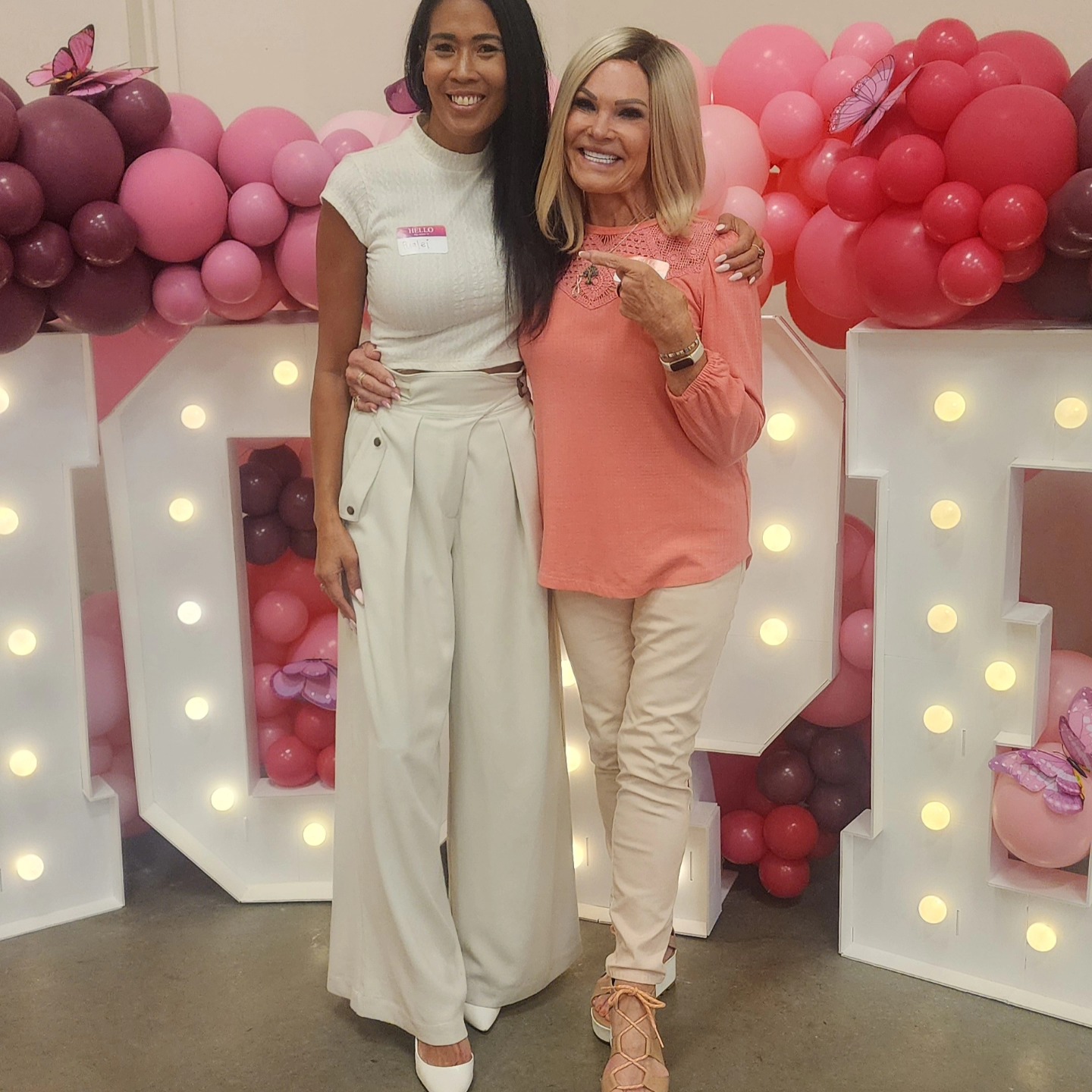
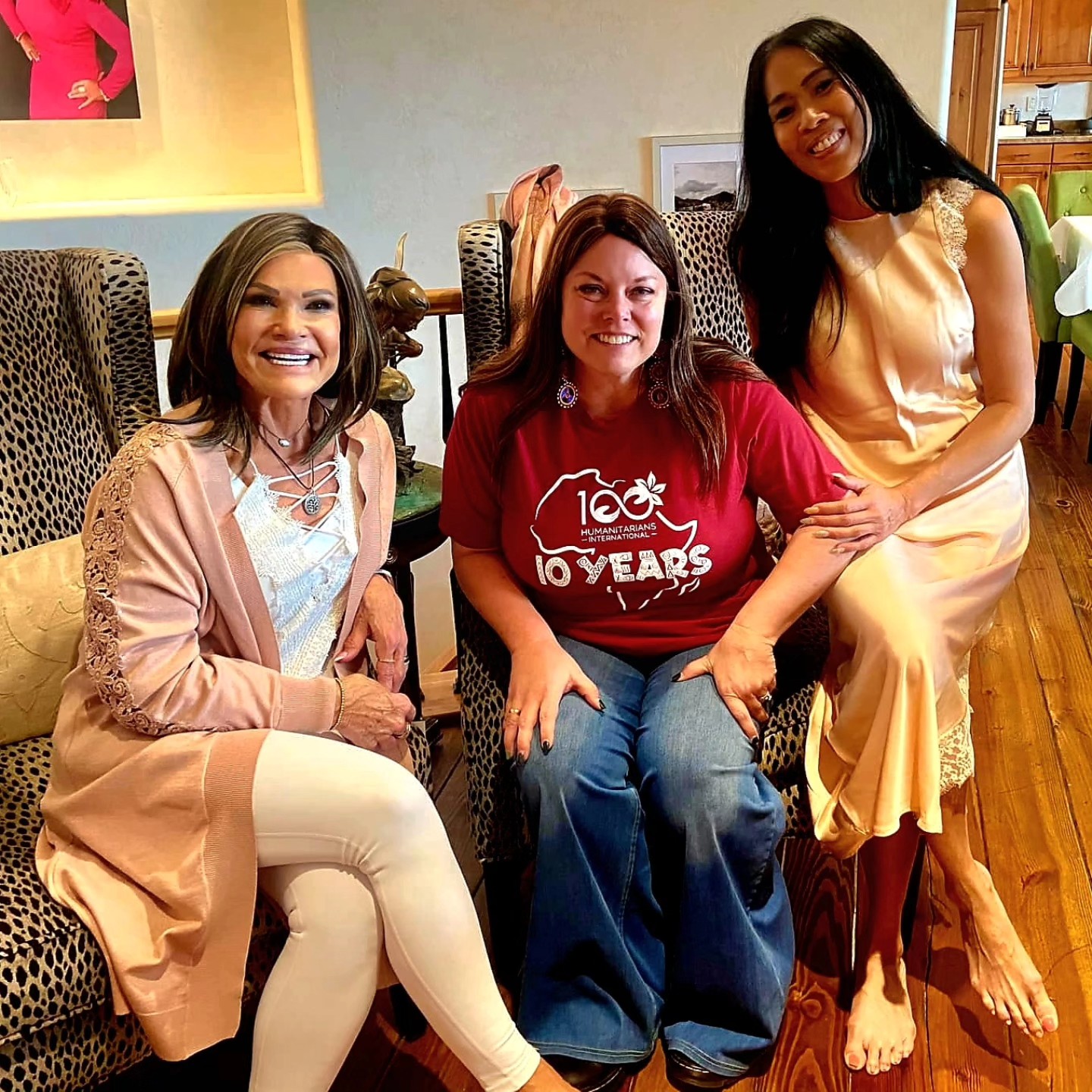
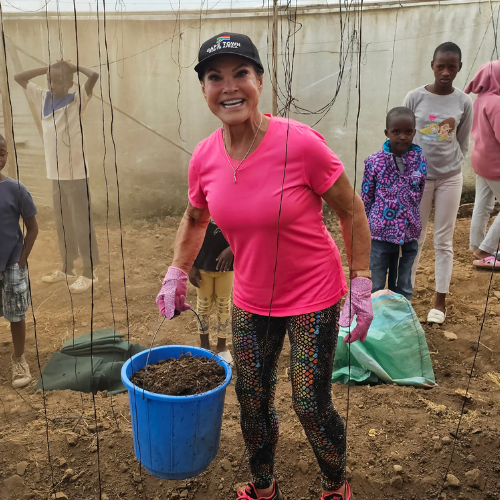
    Mary Crafts and Pualei Lynn, founders of 100 Women of Hope, celebrating with pink balloonsMary Crafts, Heidi Sherwin, and Pualei Lynn celebrating 10 years of 100 Humanitarians InternationalMary Crafts carrying a bucket of soil while building garden towers in Kenya with local children

    How 100 Women of Hope Started

    In November 2023, Mary Crafts traveled to Kenya with 100 Humanitarians International. She saw firsthand the challenges women and girls face every month — missing school, losing income, and suffering in silence because they lack access to menstrual hygiene products.

    When she returned home, she couldn't stop thinking about what she'd seen. She partnered with Pualei Lynn and together they launched 100 Women of Hope in Fall 2024 — with a simple goal: find 100 women willing to donate $15 a month for reusable feminine hygiene kits in Kenya.

    At an event hosted by 100 Humanitarians, Mary learned about the HopeKit, developed by Marissa Waldrop, as a sustainable solution to help women and girls manage menstruation. That's where the idea for 100 Women of Hope was born.

    Every quarter, Mary and Pualei host a brunch or evening event to celebrate the 100 Women of Hope community — bringing members together to connect, hear stories from Kenya, and be reminded that their $15 is changing lives for generations.

    Join 100 Women of Hope
    Period Poverty: The Silent Crisis

    Period poverty is the lack of access to menstrual hygiene products, education, and sanitation. In Kenya, it forces girls out of school, increases health risks, and limits economic opportunity for women and families.

    Families in poverty often grapple with a myriad of health challenges. One particularly overlooked issue is the lack of access to proper menstrual hygiene management for girls and women. This problem has far-reaching consequences — including health complications, lost education, and diminished economic potential.

    Girls Miss School

    Without affordable hygiene products, girls stay home during their periods — sometimes a full week each month. Over time, they fall behind academically and many drop out entirely.

    Health Risks Increase

    Lack of proper menstrual hygiene leads to infections and health complications. Reusable hygiene kits reduce these risks and promote long-term well-being.

    Potential Goes Unrealized

    When girls can't manage menstruation, they lose educational and economic opportunities — perpetuating the cycle of poverty across generations.

    What Is a HopeKit?

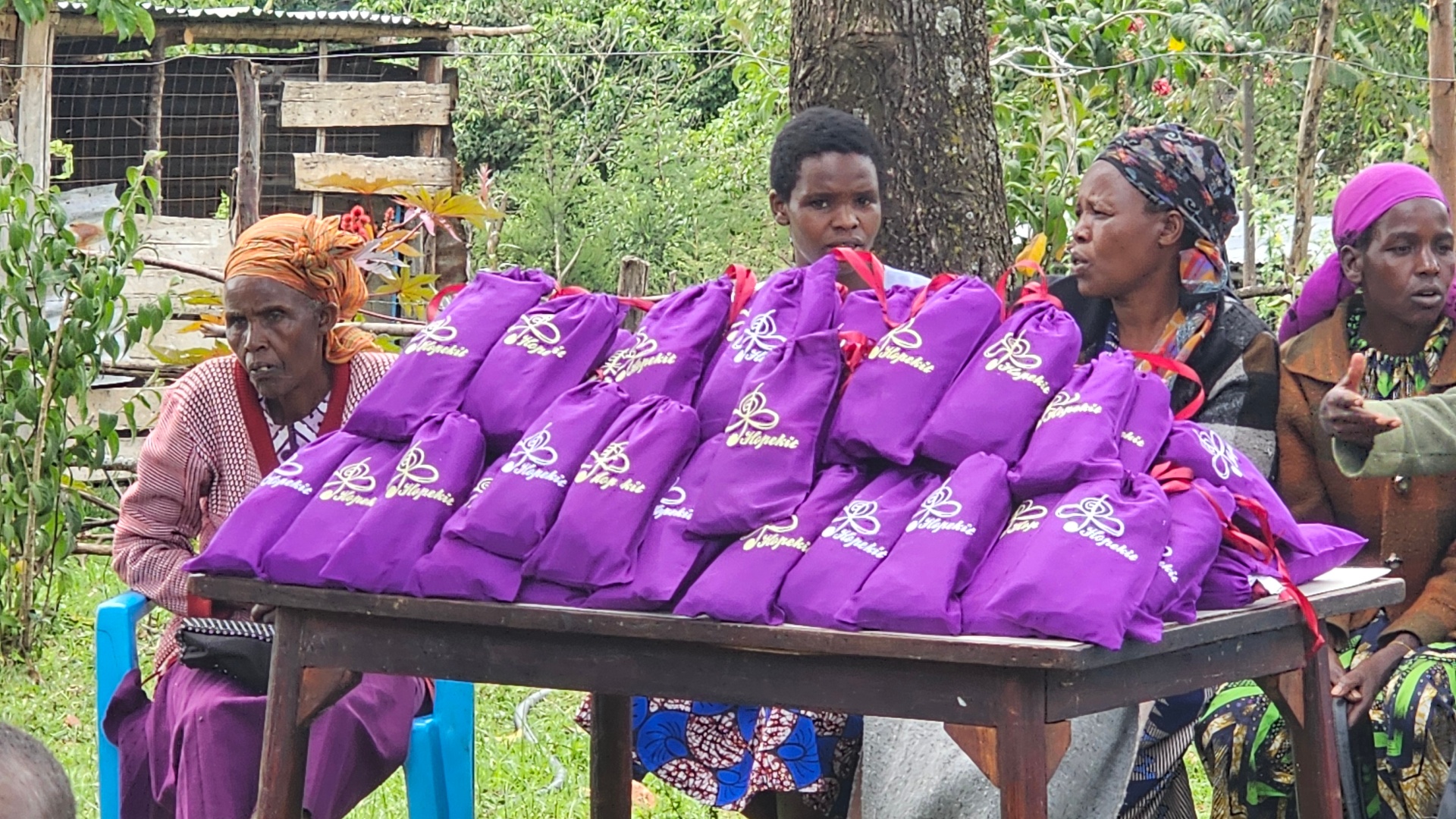
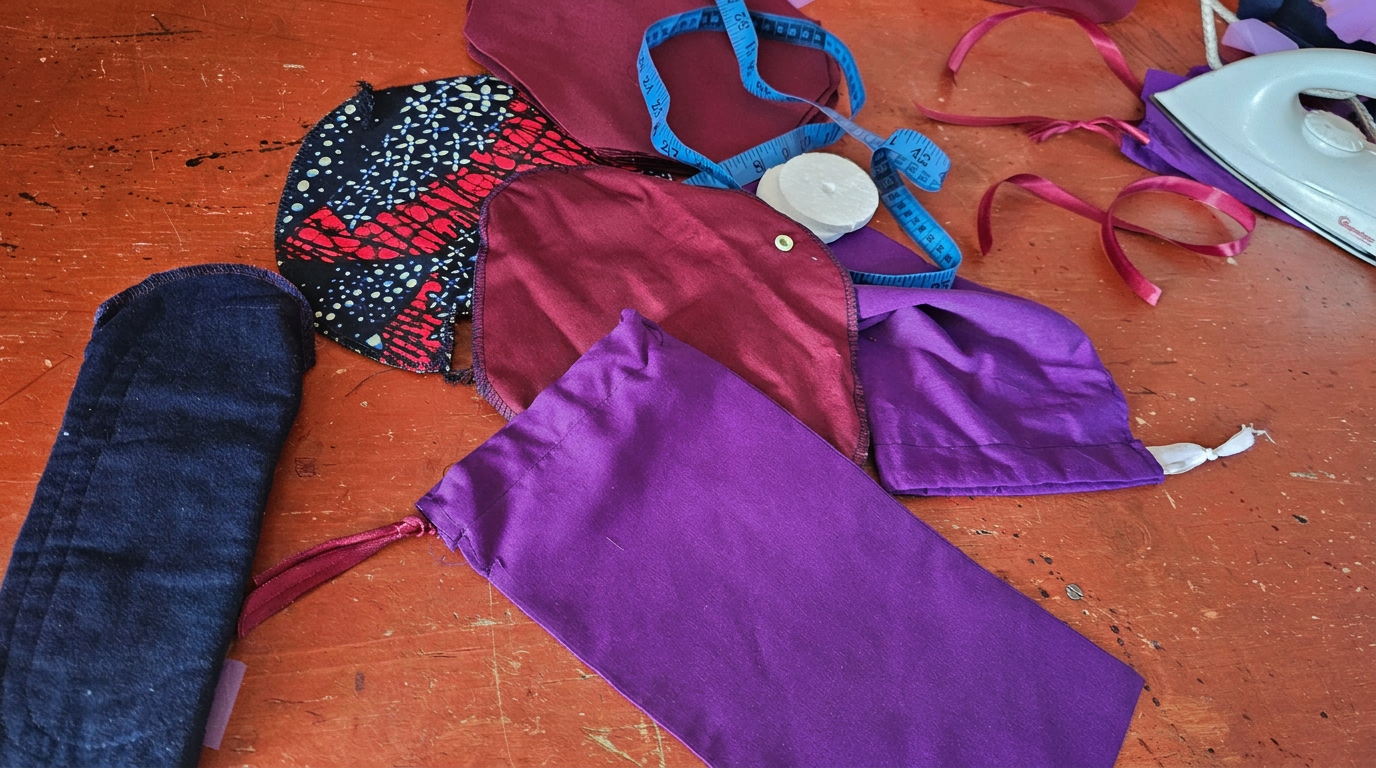
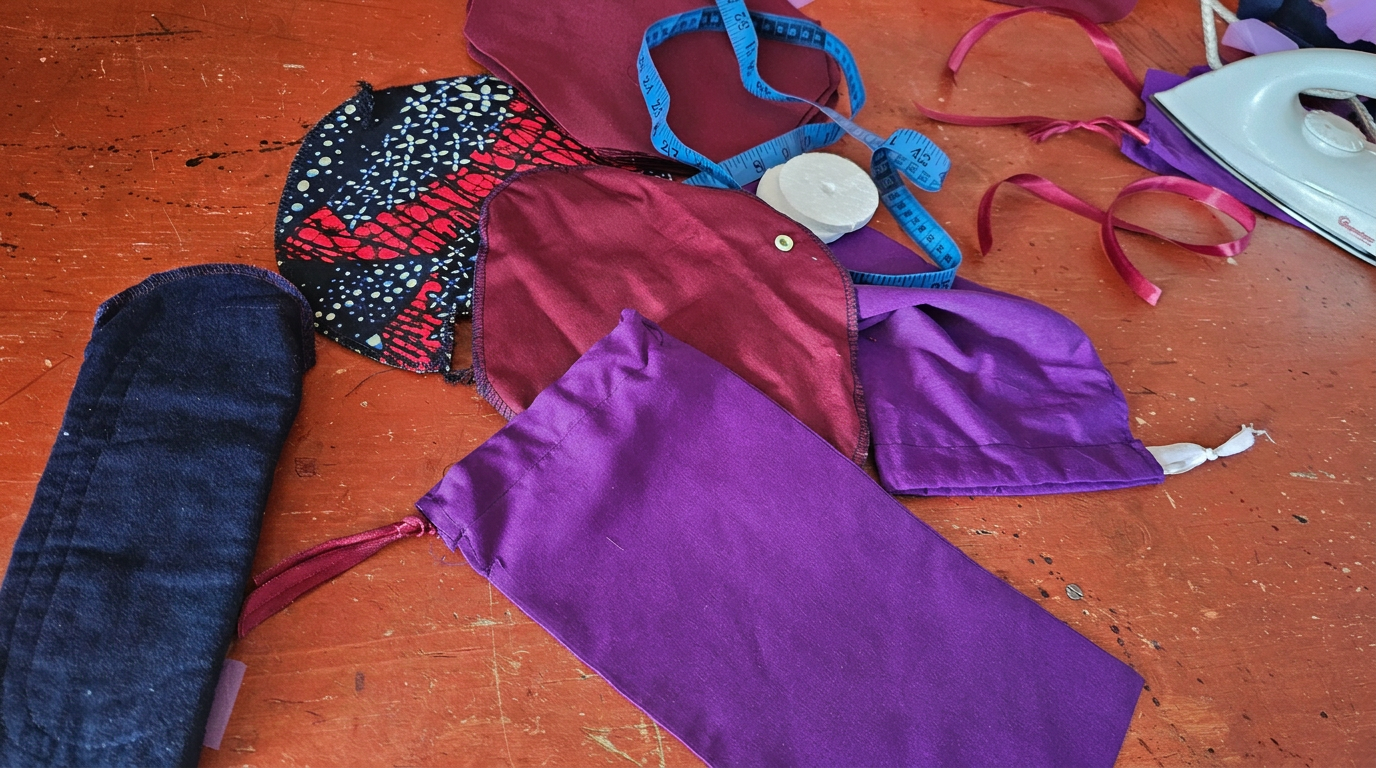
    A HopeKit is a reusable feminine hygiene kit containing washable cloth pads and underwear, locally sewn by Kenyan seamstresses. Each kit lasts up to three years and costs $15 to fund.

    Developed by Marissa Waldrop, HopeKits give women and girls the tools to manage menstruation with dignity, health, and independence — while creating local employment.

    Continuous Education

    Reusable hygiene products like washable cloth pads provide a cost-effective solution, preventing girls from missing school days and helping them stay in education. When girls can manage menstruation, they stay in school — empowering them to break free from the cycle of poverty.

    Health & Hygiene Improvement

    Reusable feminine hygiene products offer a practical, sustainable way to manage periods, reducing health risks associated with poor menstrual hygiene. Access to these products promotes better health and overall well-being for women and girls.

    Skill Development & Economic Empowerment

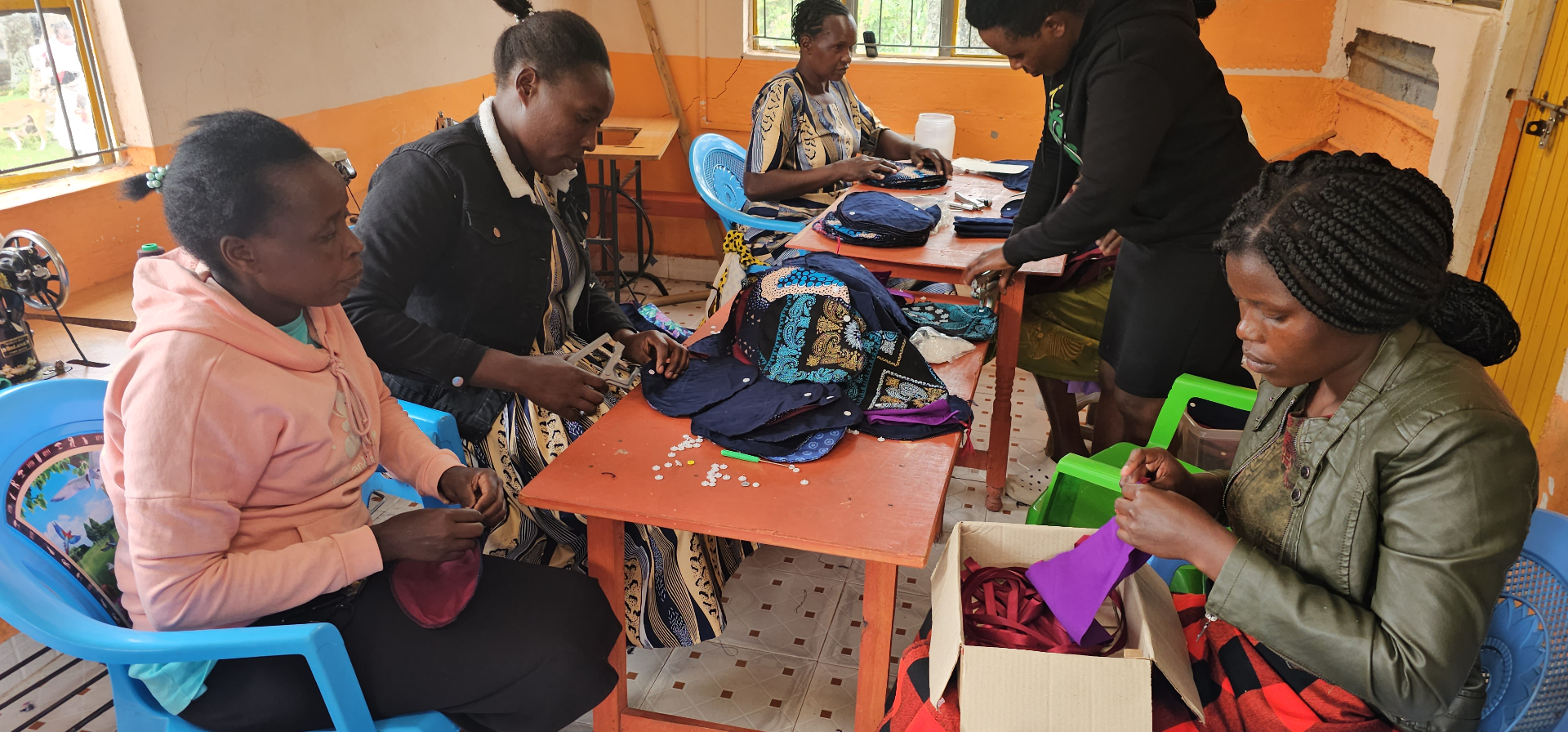
    The HopeKit program provides not only products but also reproductive health education. Women and girls learn to sew reusable pad patterns by hand, gaining valuable and marketable skills that foster economic empowerment and financial independence.

    Inside a HopeKit — reusable cloth pads, underwear, and purple carrying pouch handmade by Kenyan seamstressesKenyan seamstresses sewing reusable feminine hygiene kits at a HopeKit workshop, creating local employment

    How It Works

    1

    You Donate $15/Month

    Set up a recurring monthly donation through our secure Zeffy donation page. 100% of your gift goes to HopeKits.

    2

    HopeKits Are Made Locally

    Kenyan seamstresses sew reusable feminine hygiene kits, creating local jobs. Each kit includes washable pads and underwear.

    3

    Girls Stay in School

    Recipients receive their HopeKit along with reproductive health education. When girls can manage menstruation, they stay in school and gain independence.

    Impact So Far

    0+

    HopeKits Funded

    0

    Communities Reached

    ∞

    Generations Changed

    Since launching in 2024, over 650 HopeKits have been funded and distributed to women and girls in 4 communities across southern Kenya — while providing jobs for local seamstresses who make them.

    When a woman or girl receives a HopeKit, she also receives reproductive health training to better understand her body and how to manage menstruation. When a girl can manage menstruation, she can stay in school during her period — protecting her education and her future.

    Help Us Reach More Communities

    On the Ground in Kenya

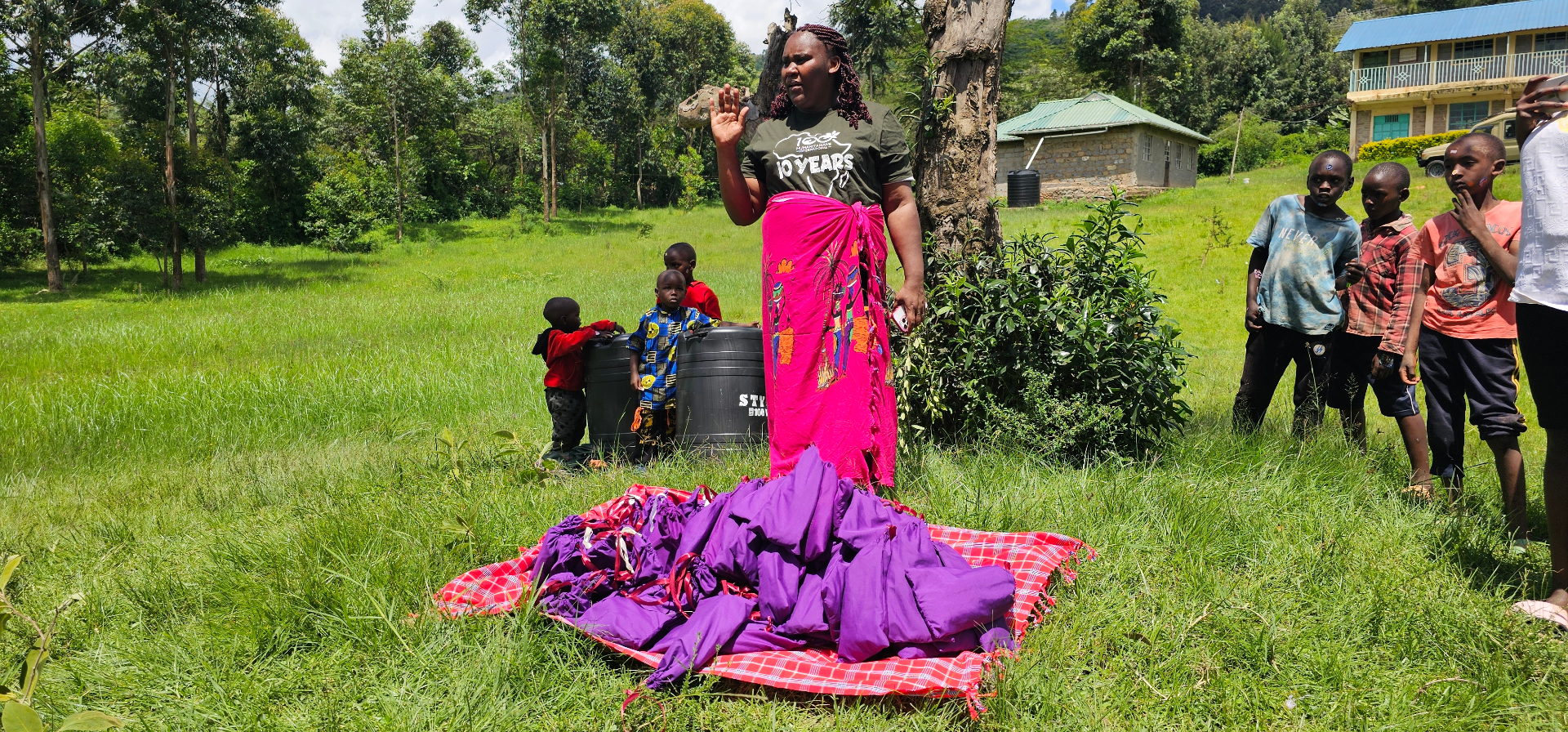
    100 Humanitarians community leader standing beside a pile of purple HopeKit bags in a Kenyan hillside field, ready for distribution to women and girls
    Reproductive health education session during HopeKit distribution, with educational banner and community members
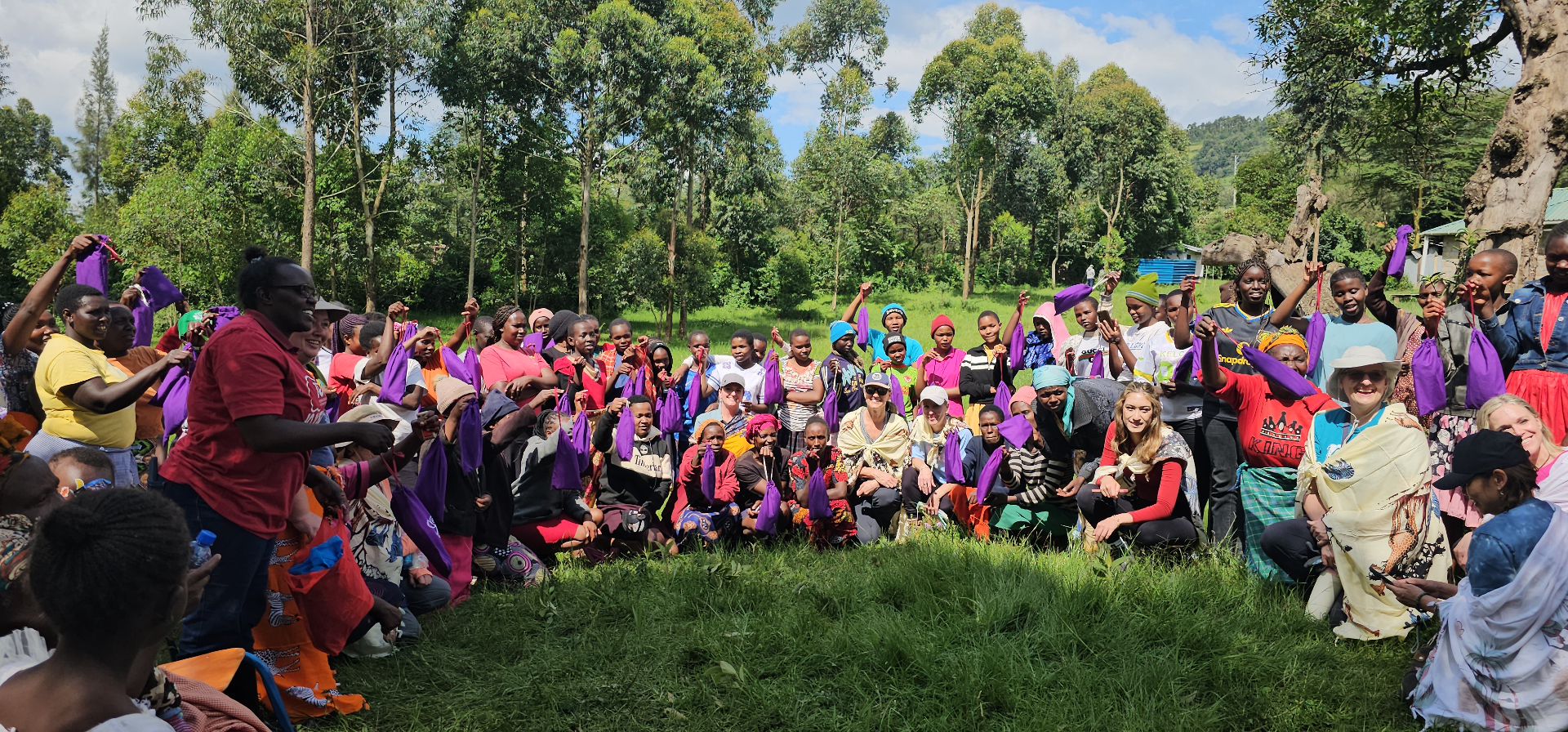
    Large group of women and girls in a forest clearing raising purple HopeKit bags in celebration at a 100 Humanitarians distribution event in Kenya
    HopeKit contents laid out — reusable cloth pads, underwear, and purple carrying pouch handmade by Kenyan seamstresses
    Kenyan seamstresses sewing reusable HopeKit pads at a community workshop, creating local employment
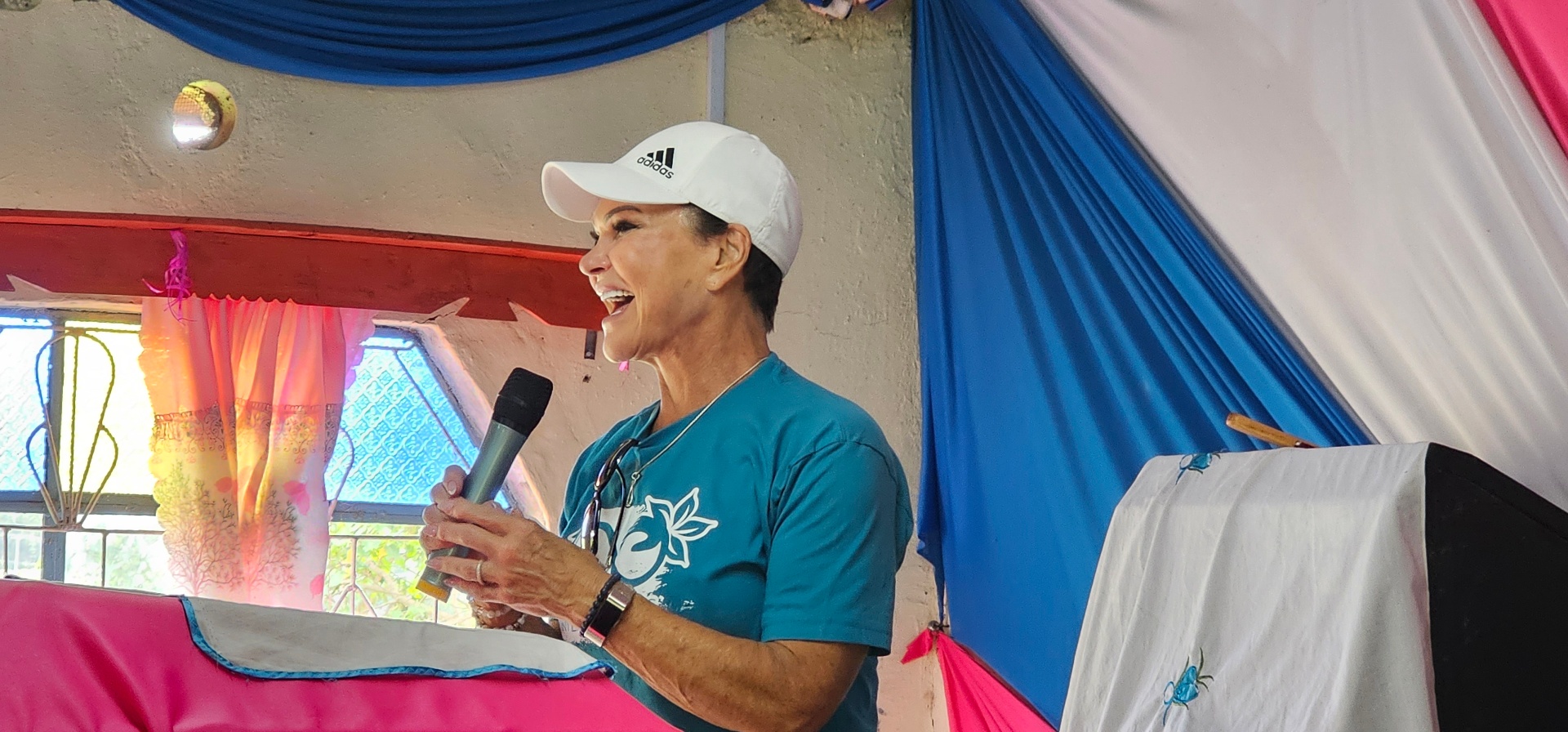
    Mary Crafts, co-founder of 100 Women of Hope, speaking at a community event in Kenya

    Frequently Asked Questions

    Will You Join Our Hope100 Team?

    One HopeKit. One girl stays in school. One woman gains dignity.
    $15 a month changes everything.

    100 Women of Hope is a monthly giving community by 100 Humanitarians International. Your $15/month donation funds one reusable feminine hygiene kit for a woman or girl in Kenya — keeping her in school, protecting her health, and creating local employment.

    Stay connected

    Letters from Kenya

    A short note each week from the families, gardens, and classrooms you're helping change. Real stories. No noise.

    • Stories of generations changed
    • Updates from Garden Towers, HopeKits & clean water
    • First word on expeditions & ways to walk with us

    Join the journey

    Drop your email — we'll do the rest.

    Free · One email a week · Unsubscribe anytime